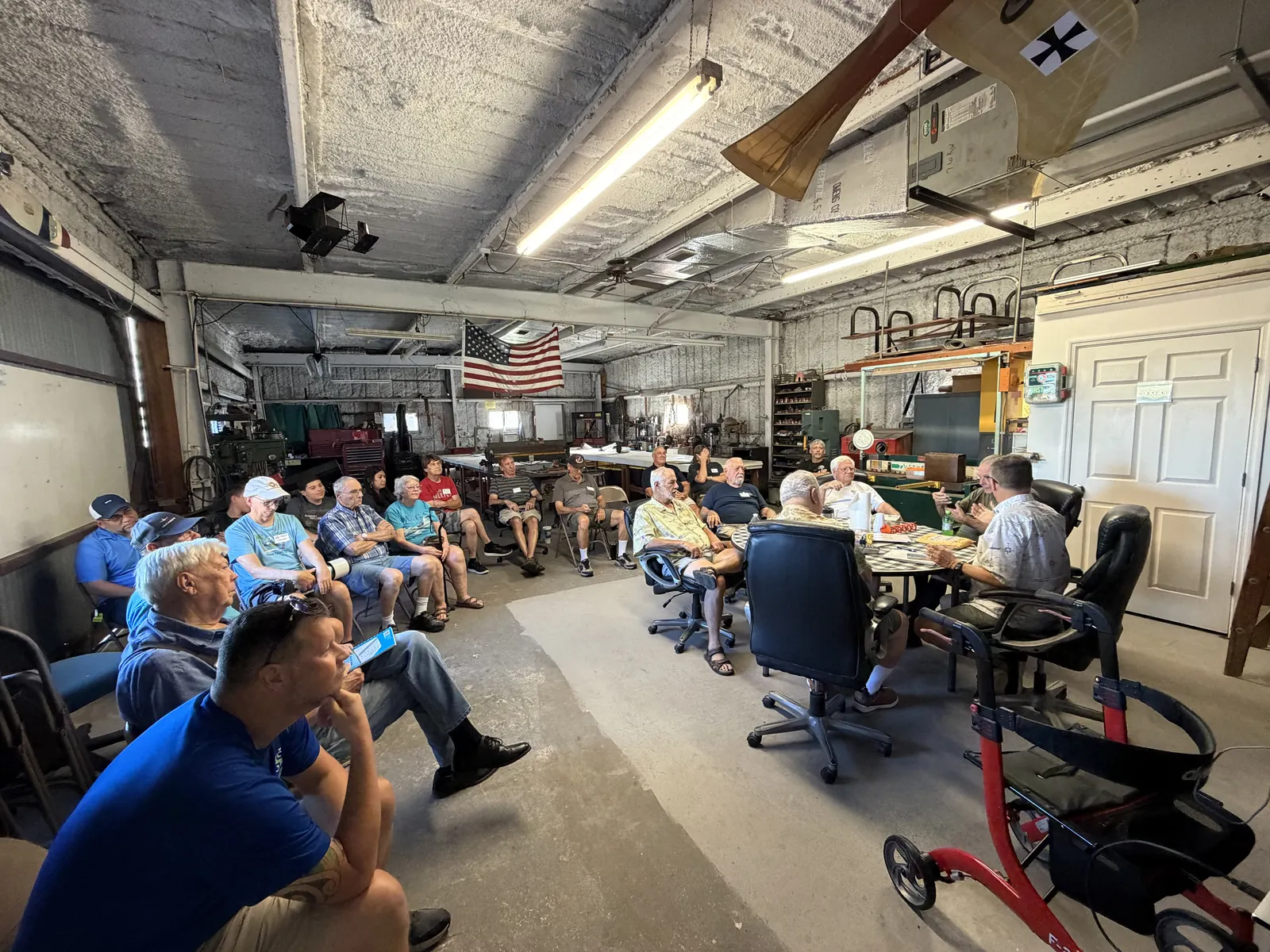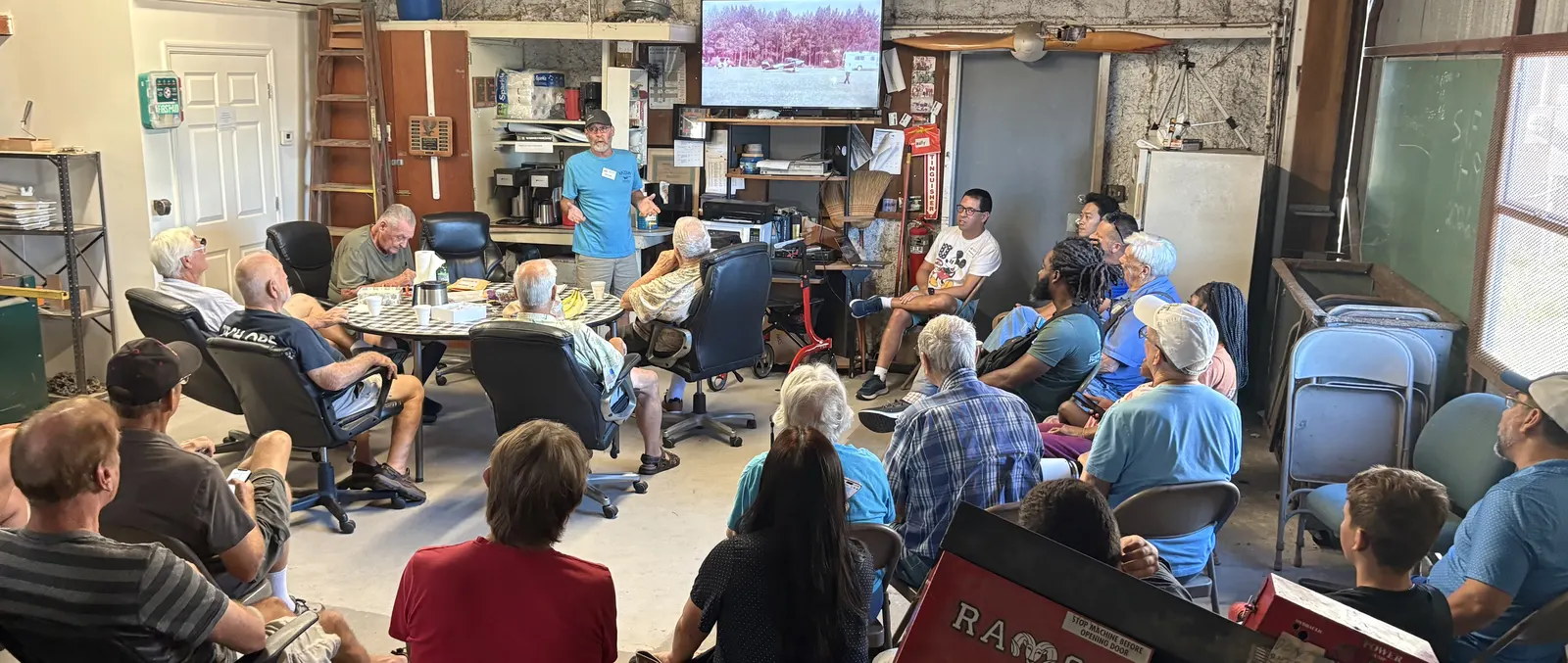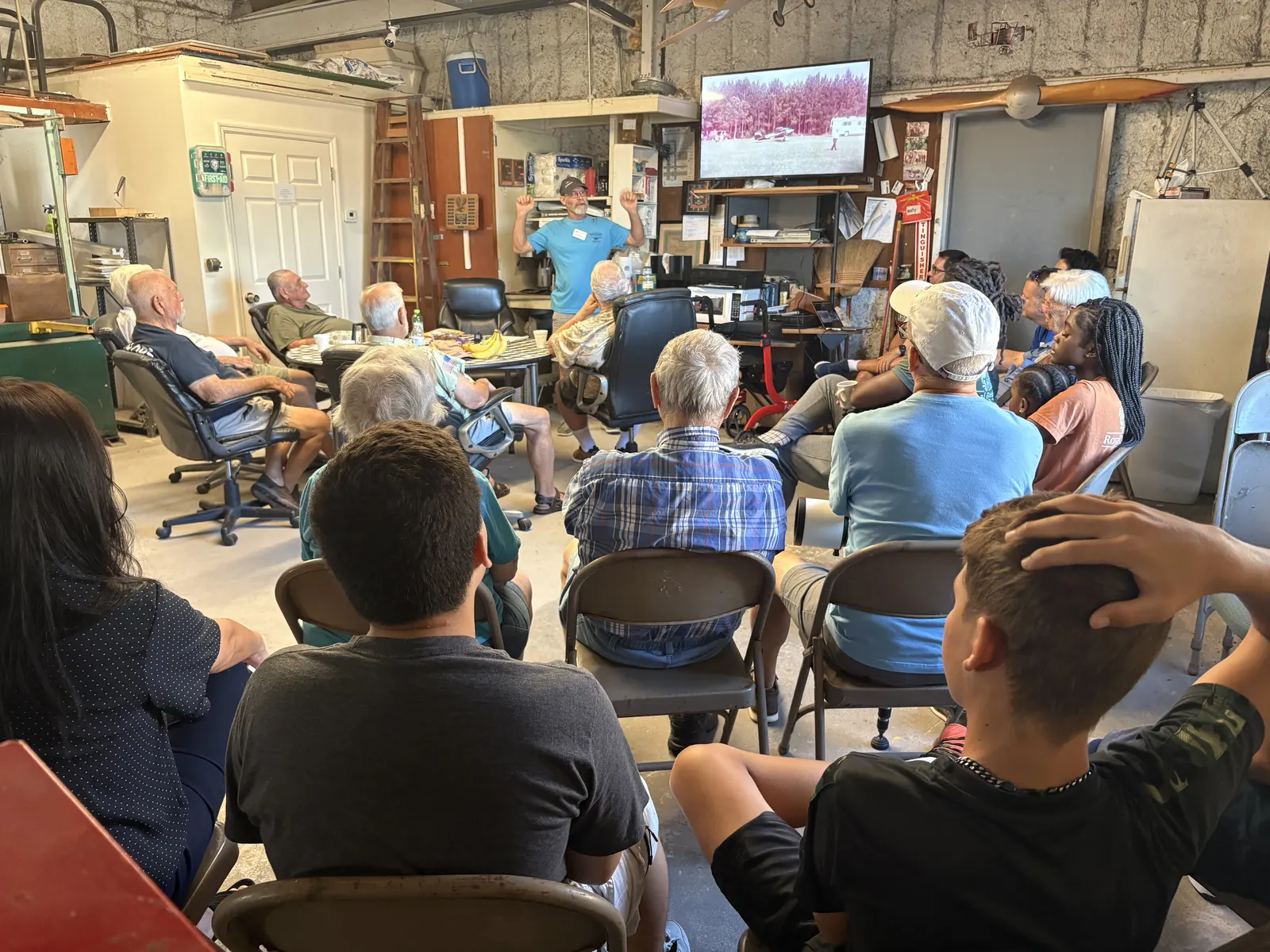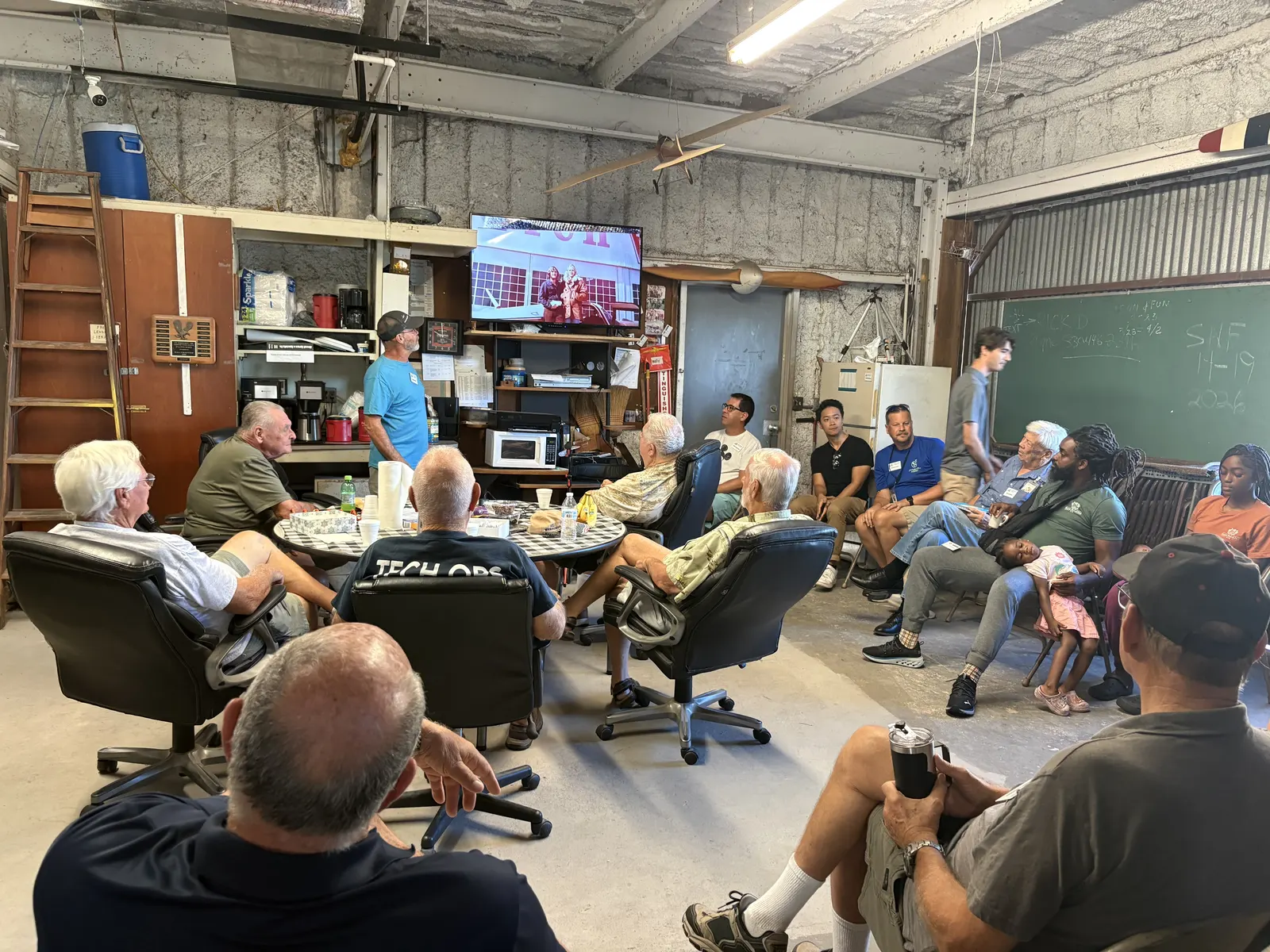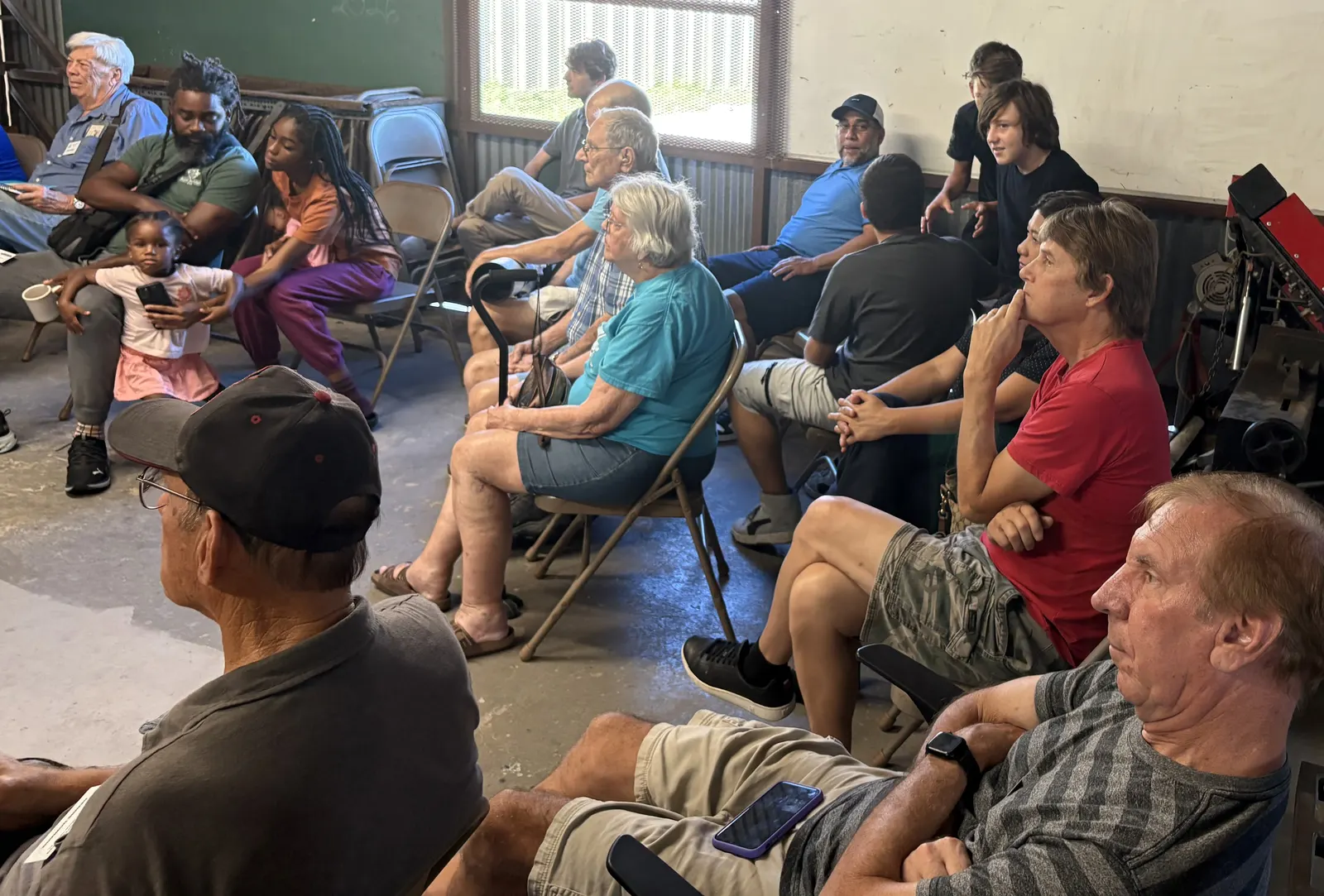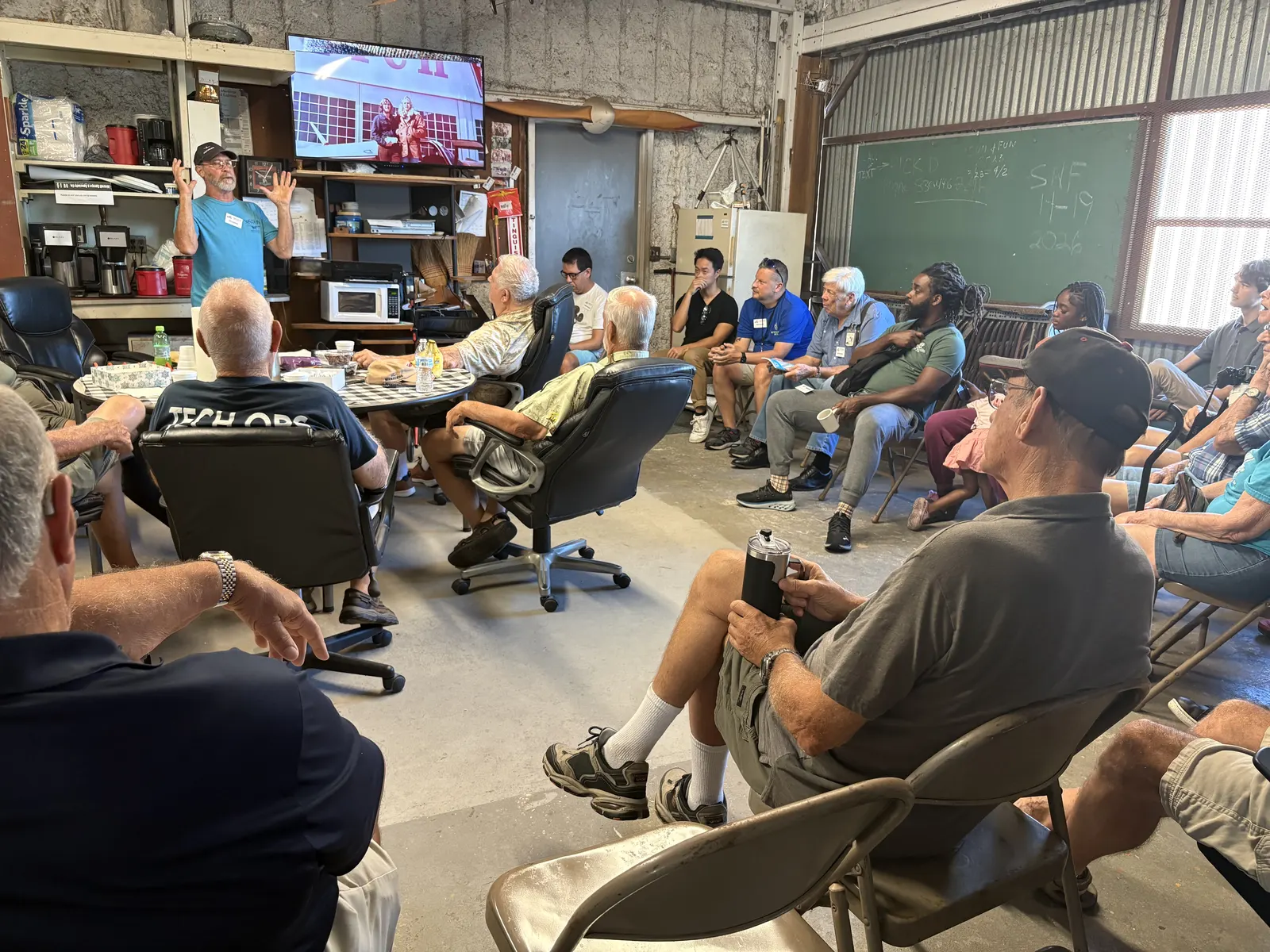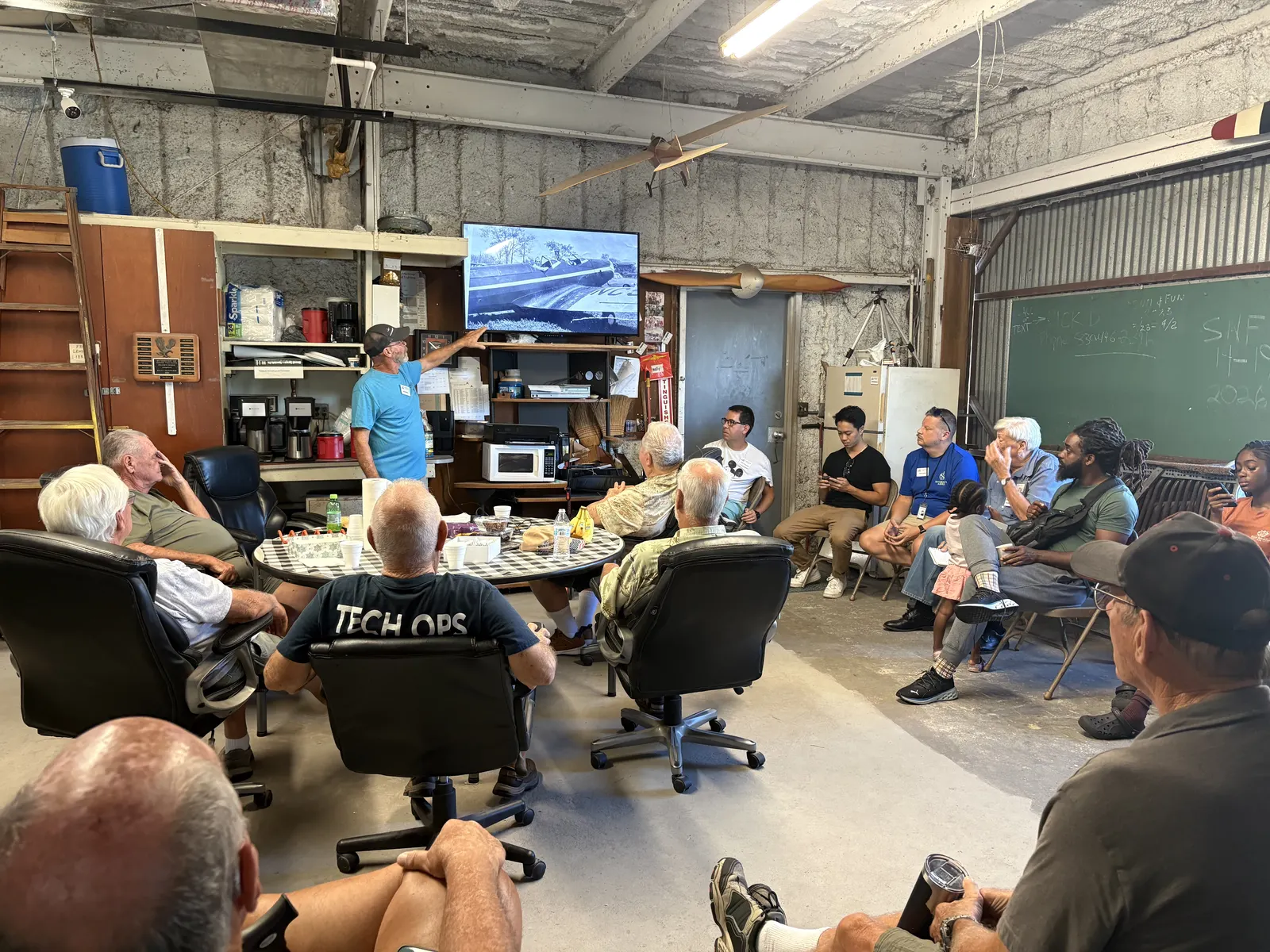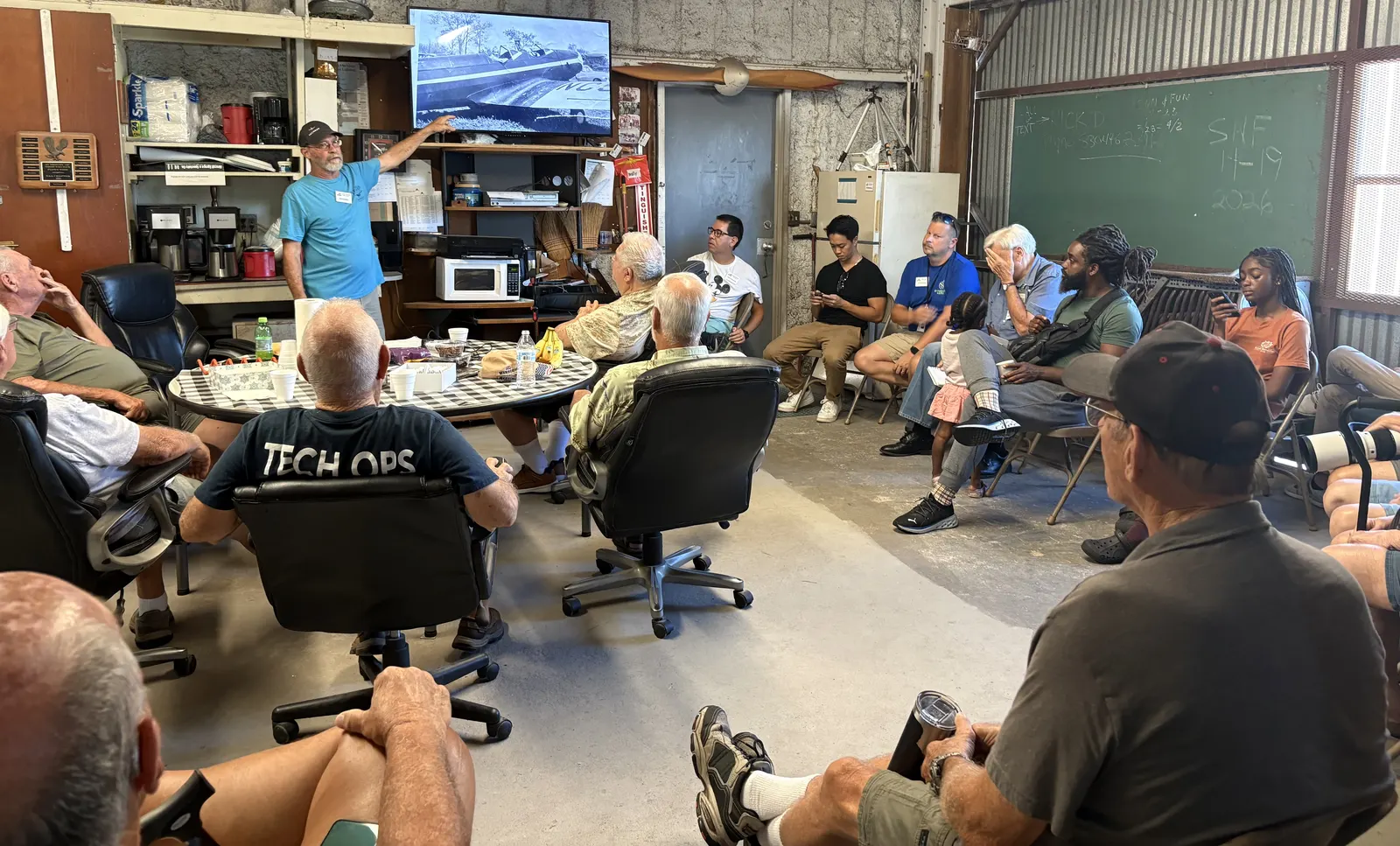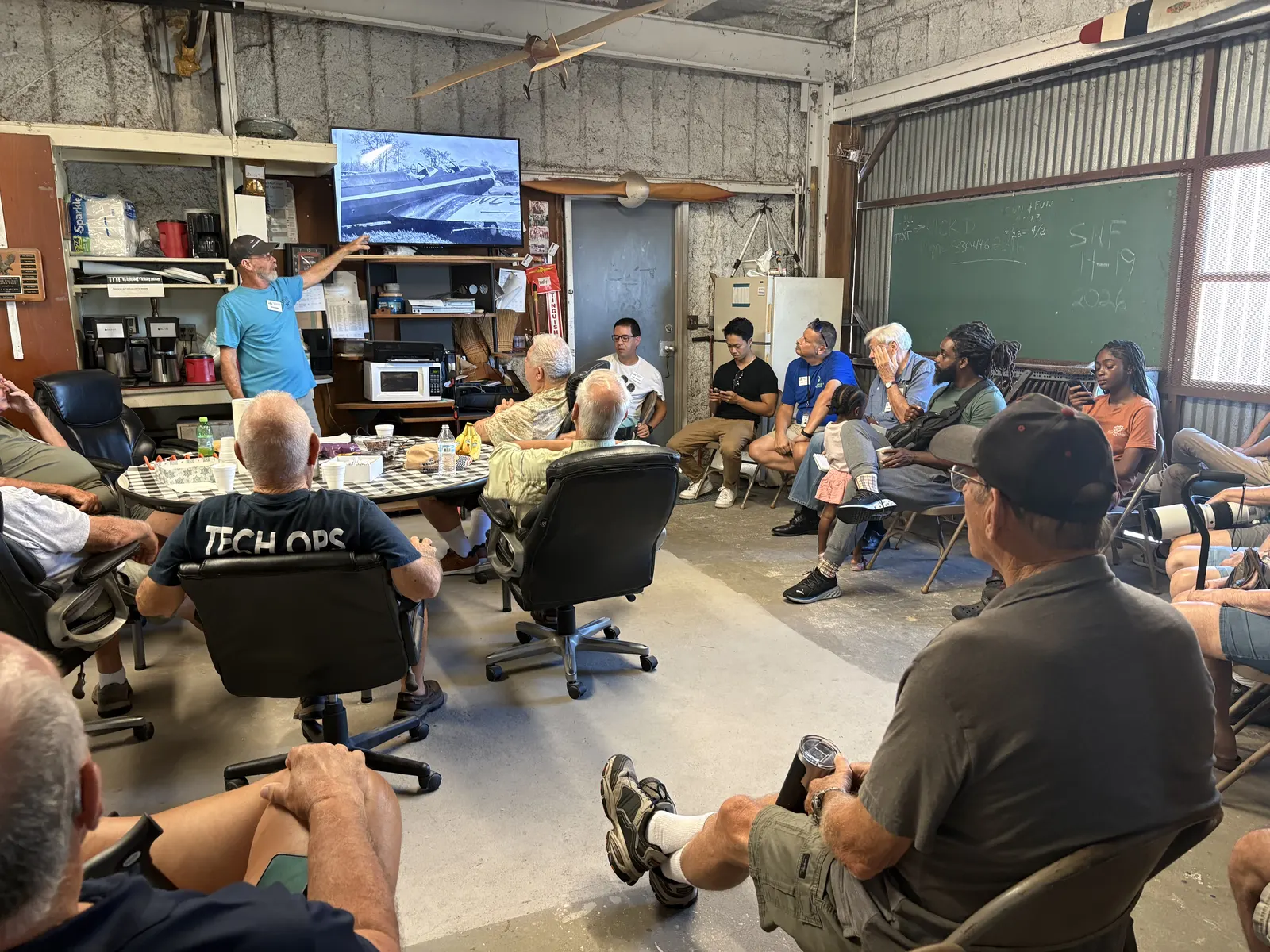
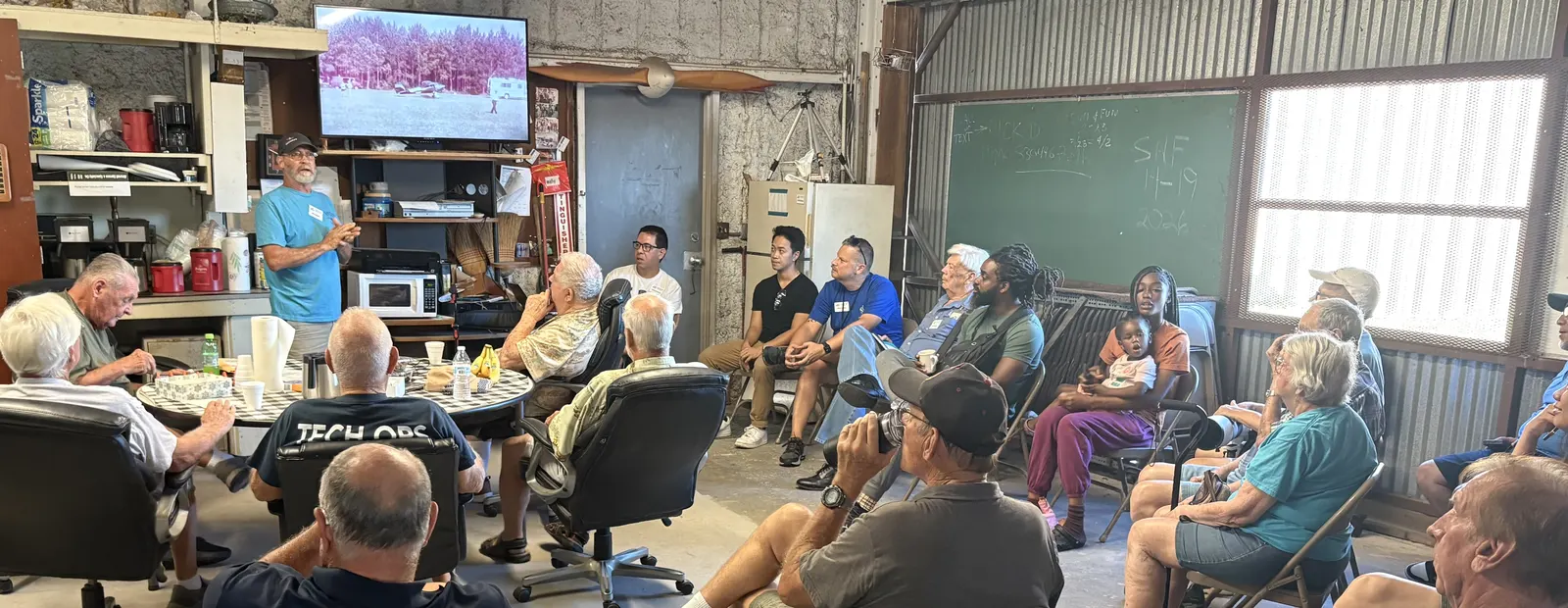
In 1972, Mitch Spring was fourteen years old, sweeping a ramp at a small general aviation airport for seventy-five cents an hour. He didn’t stay a sweeper for long. Fifty years, three airlines’ worth of experience, and a federal law enforcement fleet later, he’s still the guy other pilots call when something on the airplane needs fixing right.
Grease Under His Nails by Fourteen
Mitch’s first job was on the ramp, but he learned fast — fast enough that the airport’s owner started letting him fly the boss’s own airplanes, six of them, for the cost of fuel alone. Flight instructors couldn’t charge him for dual instruction, because technically, he already worked for the man who owned the fleet. It’s the kind of arrangement that doesn’t exist anymore, and it’s exactly how a generation of mechanics and pilots got their start: by being useful, and being around.
Once he’d proven himself on the ramp, Mitch moved into the maintenance shop, and that’s where the real education began. At sixteen, he soloed — not once, but three times in a single day, in a Cessna 150, a Cessna 172, and a Piper Cherokee 140, all out of Homestead, Florida. His dad couldn’t make it to the airport until 4:00 that afternoon, so Mitch simply waited for him to fly back home before anyone would sign off on making it official.
The A&P and the Airlines
By 1979, Mitch had earned his A&P certificate — the FAA credential that authorizes a mechanic to inspect and maintain both airframes and engines. He was still working for cash and fuel at the little airport when he finally asked his boss for a raise, from $4.50 an hour to $5.00. The answer was no. So Mitch applied to every airline flying out of Miami International — Pan Am, National, Eastern, Delta. Eastern was the only one that called back.
The interview process wasn’t a formality. Eastern tested him on math and schematics, subjects he’d never expected to be quizzed on for a mechanic’s job. A part-time Eastern mechanic who worked alongside him at the little airport had quietly coached him beforehand — enough that Mitch walked in prepared, admitted flat out that he’d never touched a jet or a “heavy,” and got hired on the spot anyway. His hourly rate jumped from $4.50 to $12.73, with paid vacation, sick leave, and retirement benefits that hadn’t existed at the general aviation field.
The work itself wasn’t glamorous. Mitch spent his first year in the hangar doing D-checks — the most extensive, ground-up inspection an airliner goes through, where a single airplane can sit torn apart for thirty days at a stretch. He hated it enough to nearly quit before a transfer to terminal maintenance came through. He stayed with Eastern almost eight years, until 1987, when labor trouble and the airline’s decline under new ownership convinced him it was time to go — even though it meant trading a $20-an-hour paycheck for $13 an hour at U.S. Customs in Homestead.
Crew Chief on the Federal Fleet
At Customs, Mitch found himself working on an entirely different kind of airplane: Cessna Citation 550s modified with search radar and FLIR — forward-looking infrared cameras used for tracking targets at night. The fleet also included Cessna 206s and 404s, Navajos, Piper Cheyennes, and a rotating cast of helicopters: Black Hawks, Hueys, and AStars. Mitch worked his way up to crew chief on one of the Citations, responsible for keeping a single aircraft mission-ready. He was five miles from Homestead Air Force Base and five miles from Homestead General Aviation Airport — as he puts it, he was right where he wanted to be.
Hurricane Andrew changed that in 1992. The storm leveled Homestead Air Force Base, and Mitch’s job moved first to Homestead General, then to Opa-locka — a commute that stretched to nearly fifty miles each way. With two young sons headed toward high school, Mitch and his family relocated to central Florida, and within a year he’d landed a new job at the Cessna Citation Service Center at Orlando International Airport, on the strength of eight years of Citation experience and an interview that turned on how fast he could pull an engine.
He stayed there until he retired in 2022 — nearly three decades, during which he worked his way from mechanic to inspector to inspection supervisor.
Full Circle
Mitch’s own flying started the same year he began his maintenance career. In 1976, he bought a Luscombe and joined the EAA. The following year, he flew that airplane to Oshkosh, and a photo of it ran in Sport Aviation magazine. He camped under the wing at Sun ‘n Fun that same year, in weather that dropped into the twenties overnight — the kind of story every builder and old-timer at the chapter has a version of.
Today Mitch flies a Cessna 177 Cardinal, the latest in a line of airplanes that has included a Cessna 172 he rescued from a runway that was about to be torn up, restored, and eventually traded up for the Cardinal he flies now. He’s retired from paid maintenance work, but not from wrenches: he still helps fellow airport owners with their airplanes, on three conditions — he works for cash, the owner has to be there when something’s found, and if he writes up a discrepancy, it gets fixed, no exceptions. “That’s to keep you safe, your family safe, and my license intact,” he says.
Join Us
Fifty years after sweeping a ramp for seventy-five cents an hour, Mitch Springs is still the person you want standing next to your airplane when something doesn’t look right. If you’ve got a maintenance question, or just want to hear more of his stories, you’ll usually find him around Hangar 100. Come meet him at our next chapter meeting, October 7, and ask him about the Luscombe.